
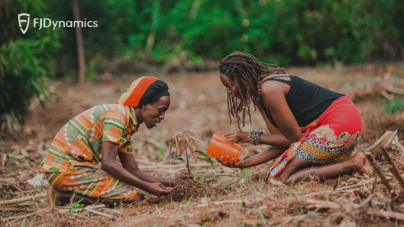
How Africa Farming Practices Are Revolutionizing Agriculture
You might not know it, but Africa farming is changing. Farmers across the continent are using new methods to fight hunger and protect nature. For example, over 27 million people in Congo lack enough food. But projects like AICCRA have helped 3 million farmers grow more crops. In Burkina Faso, saving water has doubled cereal harvests. Small changes in Africa farming can make a big difference. These improvements help feed people and grow Africa’s economy.
FJD AT2 Lite Auto Steer System – Affordable Precision for African Farms
The FJD AT2 Lite Auto Steer System brings precision agriculture within reach for African farmers. Designed for cost-effective and scalable farming, this GPS-based auto steer solution helps smallholders and large operations alike improve seeding accuracy, reduce input waste, and boost productivity.
Built to handle Africa’s diverse terrain and farming conditions, AT2 Lite delivers reliable performance whether you’re planting maize in Kenya, sorghum in Nigeria, or cotton in Tanzania.
Empower your farm with technology that works for you. Explore the AT2 Lite Auto Steer System
Challenges in Transforming Africa’s Food System
Climate Change and Resilience in Agriculture
Weather has become harder to predict because of climate change. Extreme events like droughts and floods make farming tougher in Africa. In 2020, heavy rains in Zambia flooded 3,000 hectares of crops. Many farmers struggled to recover from the damage. Droughts also hurt drylands, making it harder to grow food.

Farmers are using new methods to deal with these problems. Agroforestry and conservation farming help protect crops and soil. In the Sahel, trees are grown with crops to give shade and stop soil erosion. This system also helps crops grow better. These eco-friendly practices are key to improving Africa’s food supply and fighting hunger.
Soil Degradation and Sustainable Cropping Practices
Good soil is needed for farming, but Africa’s soil is in trouble. Overuse, erosion, and bad farming methods have removed nutrients from the soil. This makes it harder to grow enough food. Farmers can fix this by using better farming techniques.

For example:
- Conservation tillage keeps water and nutrients in the soil.
- Crop rotation stops pests and improves soil health.
- Terrace farming prevents soil from washing away on hills.
These methods make soil healthier and help farmers grow more food. By using them, farmers can fight hunger and protect the land for the future.
Food Security and Population Growth
Africa’s population is growing fast, putting pressure on food supplies. By 2024, over 55 million people in West and Central Africa may not have enough food. In 2022, crop failures caused severe food shortages for 20 million people.
Cities are also spreading, taking over farmland. In Egypt, 74,600 hectares of fertile land were lost to cities between 1992 and 2015. To feed more people, farmers need to use better farming methods and new ideas. Without changes, Africa’s food imports could rise from $15 billion in 2018 to $110 billion by 2025.
By solving these problems, farmers can ensure everyone has enough food while caring for the planet.
Sustainable Farming Practices Bringing Change
Agroforestry and Protecting Nature
Agroforestry means growing trees and crops together on the same land. This helps farmers and nature. Trees make soil healthier, stop erosion, and give homes to animals. They also take carbon dioxide from the air, helping fight climate change.
Research shows agroforestry helps crops grow better and supports farmers. For example, coffee and cocoa grow well under tree shade. The table below shows areas studied in Africa for agroforestry:
| Study Focus | Number of Studies |
|---|---|
| Different crop yields | 8 |
| Coffee or cocoa | 3 |
| Maize | 4 |
| Sorghum | 3 |
| Millet | 3 |
| Peanuts | 2 |
| Pasture growth | 3 |
| Timber production | 3 |
| Milk production | 1 |
| Better livelihoods | 3 |
| Family income | 5 |
| Social benefits | 6 |
Using agroforestry helps protect nature and makes farms more productive. It is also important for fighting climate change.
Conservation Farming for Healthy Soil
Conservation farming keeps soil healthy and strong. It uses methods like not disturbing the soil too much, keeping it covered, and planting different crops. These steps stop soil erosion, save water, and add nutrients to the soil.

For example, conservation tillage keeps soil in place and lets water soak in. Crop rotation stops pests and adds nutrients back to the soil. These methods help farmers grow more food and protect the land.
Healthy soil also traps carbon, which helps reduce harmful gases in the air. By using these methods, farmers can grow food and care for the planet.
Saving and Managing Water
Water is very important, especially where rain is rare. Water-saving methods help farmers use water wisely. These include collecting rainwater, drip irrigation, and planting trees with crops.

Rainwater harvesting saves rain for dry times. Drip irrigation gives water straight to plant roots, wasting less. Trees in farms stop water from running off and keep the land moist.
The table below shows how these methods help farming:
| Technique | How It Helps Farming |
|---|---|
| Rainwater Harvesting | Saves groundwater, provides water for dry times, and reduces waste. |
| Soil Health Management | Makes soil better at holding water, reducing the need for extra irrigation. |
| Agroforestry | Uses trees to manage water, stop erosion, and keep crops strong. |
| Drip Irrigation | Saves water by giving it directly to plants. |
| CGIAR Excellence in Agronomy | Uses data to grow more food and use resources better. |
These methods save water, improve soil, and make crops stronger. They are key to sustainable farming and fighting climate change.
Organic Farming and Chemical-Free Cultivation
Organic farming is changing how we grow and eat food. It avoids using man-made chemicals like pesticides and fertilizers. Instead, it uses natural ways to grow crops. This helps keep people healthy and protects the environment. Organic farming focuses on methods that are good for farmers and the planet.
A big part of organic farming is making soil healthier. Farmers use compost, manure, and plant leftovers to improve soil. These natural materials add nutrients and help soil hold water better. Healthy soil grows better crops and lasts longer. Choosing organic farming means caring for the land and its future.

Pest control is also important in organic farming. Farmers don’t use harmful chemicals to kill pests. They plant pest-resistant crops and use helpful insects like ladybugs. Rotating crops also stops pests from spreading. These natural methods keep pests away and protect nature.
Over time, organic farming can grow more food. At first, it may produce less than regular farming. But as soil gets healthier, crops grow better. Studies show organic farms become more productive over time. This makes organic farming a good choice for feeding more people.
Organic farming is part of sustainable agriculture. It works with nature to reduce pollution and save water. It also protects animals and plants. Supporting organic farming helps the planet stay healthy and strong.
In Africa, organic farming is becoming popular. Farmers are growing crops without chemicals and earning more money. For example, in Uganda, organic coffee farming helps farmers and the environment. This shows how organic farming can improve lives and protect nature.
When you buy organic food, you support farmers who care for the earth. Organic farming is not just a trend; it’s a way to a better future. By choosing organic, you help create a world with healthy food, thriving nature, and sustainable farming.
Technology, Policies, and Community Efforts in Transforming Agriculture
Technological Innovations in Africa Farming
Technology is changing farming in Africa. New tools help farmers grow more food. Crop AI is one example. It finds pests and diseases in crops. This reduces crop losses and boosts harvests. It also cuts down on pesticide use, saving money and reducing pollution. Using Crop AI means healthier crops and more income for farmers.
Mobile apps are another helpful tool. They give weather updates and market prices. These apps help farmers plan and sell crops at the best time. Drones are also used to check fields and spray crops efficiently. These tools make farming smarter and better for the environment.
Policy Frameworks Supporting Sustainable Agriculture Practices
Policies are important for better farming. African governments are making rules to support eco-friendly farming. These rules encourage methods like conservation farming and agroforestry. They also offer training and funds to help farmers learn new techniques.
Some countries give money for organic fertilizers and water-saving tools. Others create seeds that grow well in tough weather. These policies aim to make farming easier and better for nature. With good policies, farmers can grow food in a sustainable way.
Community-Led Initiatives and Local Collaboration
Communities are helping change farming. Regreening Africa is one example. It works with farmers to fix damaged land. Farmers plant trees and improve soil health. This helps grow more food and protect nature. Farmers also teach each other, making the program stronger.
In Malawi, the Agricultural Transformation Initiative (ATI) helps farmers grow different crops instead of tobacco. It teaches better farming methods and helps farmers earn more money. These community efforts show that teamwork can solve farming problems.
Impacts of Sustainable Agriculture Practices
Transforming Africa’s Food System for Security
Sustainable farming is changing how Africa grows food. These methods help farmers grow more crops and fight hunger. Techniques like crop rotation and organic farming improve harvests. For example, some programs have increased crop yields by 30%. They also boosted farm productivity by 40%. This means more food and better nutrition for families.

| Aspect | Before Program | After Program |
|---|---|---|
| Food Security | Hunger risk, small harvests | More food, 30% bigger harvests |
| Child Nutrition | Poor diets, high malnutrition | 20% less malnutrition, better meals |
| Agricultural Productivity | Low harvests, no fertilizers | 40% more crops, smarter farming |
These changes don’t just grow food—they improve lives. Farmers using these methods help feed more people. They also make sure Africa’s future is safer and healthier.
Promoting Environmental Sustainability
Sustainable farming also helps protect nature. Methods like mulching and crop rotation keep soil healthy. They stop erosion and help the soil hold water. Adding organic manure makes soil richer. Planting legumes with other crops adds nutrients back to the soil. These steps work with nature, not against it.
| Ecosystem-Based Farm Management Practices | Impact on Sustainability |
|---|---|
| Organic manure application | Makes soil healthier |
| Conservation of vegetation | Protects plants and animals |
| Conservative tillage | Stops soil from washing away |
| Mulching | Keeps soil moist |
| Crop rotation | Adds nutrients to the soil |
| Intercropping with legumes | Helps soil stay fertile |
| Efficient drainage system | Stops water from pooling |
| Soil bunding | Reduces water runoff |
New tools like satellite images and AI help farmers plan better. These tools show soil moisture and crop health. Regenerative farming also traps carbon and boosts biodiversity. Using these ideas helps farms and the planet stay healthy.
Economic Growth and Rural Development
Sustainable farming doesn’t just grow food—it helps the economy. Farmers earn more money by growing more crops and spending less. Organic farming saves money by skipping chemical fertilizers. Water-saving methods like rainwater harvesting also cut costs.
These practices create jobs and help rural areas grow. Farmers share tips and learn from each other. In Malawi, farmers switched from tobacco to better crops. This change gave them more money and improved their lives.
By saving water and using smart farming, agriculture can grow economies. These changes help farmers and their communities thrive. Sustainable farming builds a better future for everyone in rural Africa.
FAQ
What is sustainable agriculture, and why does it matter for Africa?
Sustainable farming uses safe methods to grow food. It keeps soil, water, and nature healthy. For Africa, it helps farmers grow food for a long time and deal with tough weather.
How does agroforestry help Africa’s farms?
Agroforestry grows trees and crops together on the same land. It makes soil better, stops erosion, and helps crops grow more. It also fights climate change by storing carbon and helping animals and plants.
How does technology improve farming in Africa?
Technology helps farmers grow food faster and smarter. Tools like apps, drones, and AI help farmers care for crops, waste less, and grow more. These tools make farming better for people and nature.
How do water-saving methods help Africa’s farms?
Water-saving ideas like collecting rain and drip irrigation use water wisely. They stop waste, keep soil wet, and help crops survive when it’s dry.
Why is organic farming becoming popular in Africa?
Organic farming skips harmful chemicals and uses natural ways to grow food. It makes soil healthier, protects nature, and grows safer food. Many African farmers use it to earn more and care for the earth.