
What’s Next for Automated Planting in Agriculture in 2025 | Future Trends in Agtech
Imagine a world where farming becomes smarter, faster, and more sustainable. Automated planting is making this a reality. You’ve probably heard how technology is transforming agriculture, but did you know it’s also saving farmers money? For example:
- Precision spraying cuts herbicide costs by 80%, saving $30 per acre.
- Fertilizer robots conserve over 93 million gallons of fertilizer annually in U.S. corn farms.
- Automation lets one worker manage four machines, saving up to $20 per acre.
These trends are reshaping how you grow crops. With AI and robotics, you can boost productivity while reducing waste. It’s not just about efficiency—it’s about creating a future where farming thrives.
Key Takeaways
- Cost-Effective & Eco-Friendly: Automated planting tools help reduce chemical usage and overall operational costs, making farming more sustainable.
- Increased Productivity: AI and robots enable one operator to control multiple machines, boosting work output and reducing labor requirements.
- Data-Driven Decisions: Smart farming tools provide essential information for making informed decisions, ensuring crops receive the precise care they need while minimizing waste.
Emerging Trends in Automated Planting
AI-Powered Planting Systems
AI is transforming how you farm. It’s not just about planting crops anymore; it’s about planting smarter. AI-powered precision agriculture tools are helping you optimize farming practices like irrigation, pest control, and crop management. These systems improve water resource management, reduce pollution, and even make your farm more resilient to climate change. Imagine autonomous tractors and smart irrigation systems working together to boost your yield while cutting costs. With AI robotics, you can monitor crops using drones or even explore vertical farming units for space-efficient production. These innovations are making agriculture more sustainable and efficient, giving you the tools to thrive in a changing world.
Robotics and Autonomous Machinery
Robotics are taking over labor-intensive tasks, and you’re reaping the benefits. Automated planting machinery, like robotic seed casters, ensures even seed distribution, which is critical for crops like microgreens. Precision seeding focuses on accuracy for nursery crops, while seed casting handles higher-density planting for baby greens. These machines save time and increase efficiency compared to manual planting. The Fourth Agricultural Revolution, or Agriculture 4.0, is integrating robotics with AI and sensors to enhance your return on investment. From aerial inspections to automated harvesting, robotics are reshaping agriculture trends and making your farm more productive.
Precision Agriculture Tools and Sensors
Precision agriculture tools are leading the charge in agtech innovation. Location sensors, which dominate the market, help you map fields and allocate resources effectively. Soil moisture sensors, like tensiometers and capacitance sensors, are becoming essential for better irrigation management. You’ll also find GPS receivers, drones, and yield monitors among the top tools driving precision agriculture forward. These devices give you the data needed to make informed decisions, ensuring your crops get exactly what they need to thrive. With FJDynamics’ Farm Management System, you can integrate these tools seamlessly into your operations, boosting efficiency and sustainability.
Role of IoT in Connected Farming
IoT serves as the backbone of modern agriculture by automating processes such as irrigation and fertilization. IoT devices continuously monitor environmental conditions, enabling smart pest control systems and automated greenhouse management. With tools like FJDynamics’ AL02 3D Land Leveling System, IoT-driven precision farming improves crop quality and yield while reducing resource waste.
Challenges and Opportunities in Agriculture Trends
High Costs and Accessibility Barriers
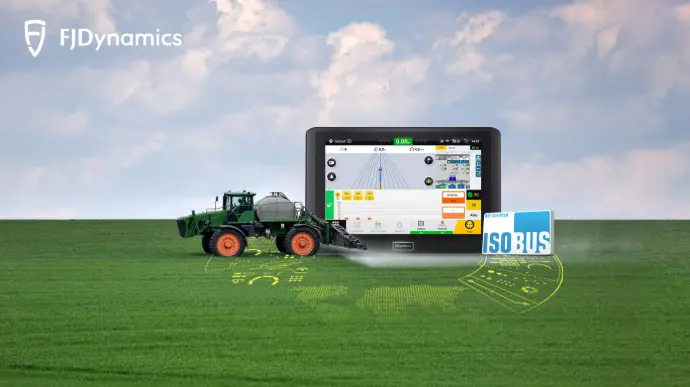
Automated planting technologies can feel out of reach for many farmers due to high upfront costs. Advanced agricultural machinery, like autonomous tractors and precision tools, often requires significant investment. This can be especially challenging for small-scale farmers who operate on tight budgets. However, governments and organizations are stepping in to help. Policies offering credit, leasing options, and loan guarantees are making it easier for you to access these technologies. For example, FJDynamics’ Farm Management System provides cost-effective solutions that integrate seamlessly into your operations, helping you maximize efficiency without breaking the bank.
Adoption Rates Among Small-Scale Farmers
Small-scale farmers face unique challenges when adopting new technologies. Limited resources, lack of technical knowledge, and concerns about land tenure security can slow adoption rates. But there’s good news. Strategies like promoting low-cost machinery and improving land tenure security are making a difference.
| Strategy | Description |
| Access to Finance | Credit policies and leasing options make automation more affordable. |
| Land Tenure Security | Reducing investment uncertainty encourages technology adoption. |
| Low-Cost Machinery | Affordable tools tailored for small farms improve productivity and resilience. |
These efforts are helping you embrace agtech innovations, ensuring you stay competitive in a rapidly evolving industry.
Addressing Labor Shortages with Automation
Labor shortages are a growing concern in agriculture. Automation offers a practical solution by taking over repetitive and labor-intensive tasks. Autonomous tractors, for instance, can manage large fields with minimal supervision, breaking the traditional “one man, one tractor” model. Advanced sensors enhance soil analysis and planting accuracy, ensuring your crops thrive.
Tom Nassif, President of the Western Growers Association, once said, “Without immigration reform and a useful guest worker program in the US, we need to rely more on our own ingenuity and tech solutions rather than on the government.”
By adopting automated planting technologies, you can reduce your reliance on seasonal labor and focus on improving productivity.
Opportunities for Increased Efficiency and Yield

Automation is not just about solving problems; it’s about unlocking potential. Automated planting systems improve efficiency by optimizing resource use and reducing waste. For example, FJDynamics’ AL02 3D Land Leveling System ensures precise land preparation, which enhances water distribution and boosts crop yield. The agricultural robot market is expected to grow significantly, reflecting a strong shift toward automation. Without these advancements, agricultural production could decline by $30 billion to $60 billion. By embracing these trends, you can secure a more sustainable and profitable future for your farm.
Integration with Sustainable Practices
Automation in Regenerative Agriculture
Regenerative agriculture focuses on restoring soil health, improving biodiversity, and reducing environmental impact. Automation plays a key role in making these practices more efficient and scalable. You can use automated planting systems to streamline operations and reduce waste, ensuring higher production rates without compromising sustainability. Advanced technologies like AI-driven machinery and IoT tools align perfectly with regenerative agriculture principles. They help you adapt to changing conditions while promoting responsible resource use. Whether it’s precision irrigation or automated crop management, these innovations make it easier for you to embrace sustainable farming practices.
Reducing Resource Waste Through Precision Tools
Precision tools are revolutionizing how you manage resources on your farm. Automated machinery, like FJDynamics’ AL02 3D Land Leveling System, ensures optimal land preparation, improving water distribution and reducing waste. With precision agriculture tools, you can apply fertilizers and pesticides only where needed, cutting down on excess use. This not only saves you money but also minimizes environmental harm. By integrating these tools into your operations, you can achieve better crop yields while conserving valuable resources like water and energy. It’s a win-win for both your farm and the planet.
Supporting Carbon Sequestration and Soil Health
Healthy soil is the foundation of sustainable farming. Automation helps you improve soil health and contribute to carbon sequestration. Tools like automated planting machinery support practices like no-till farming and cover cropping, which enhance soil structure and store more carbon. You can also use data-driven initiatives to measure greenhouse gas emissions and track carbon capture. These efforts not only mitigate climate change but also boost your farm’s productivity. By adopting these agriculture innovations, you’re investing in a healthier future for your land and crops.
FJDynamics’ Role in Promoting Sustainable Automation
FJDynamics is at the forefront of sustainable automation in agriculture. The AL02 3D Land Leveling System has transformed farming practices by efficiently leveling large areas, improving irrigation, and reducing labor. FJDynamics also integrates AI and IoT technologies into its Farm Management System, helping you enhance efficiency and reduce waste. Whether you’re managing a large farm or a small one, these next-generation agricultural machinery solutions make it easier for you to adopt eco-friendly practices. With FJDynamics, you’re not just farming—you’re farming smarter.
Product Spotlight
AL02 3D Land Leveling System
https://www.youtube.com/embed/4Py4M0Hp_mk?autoplay=0&rel=0&controls=0&modestbranding=1The FJD AL02 3D Land Leveling System is a groundbreaking solution designed to enhance irrigation efficiency and reduce water waste. Featuring a 9m-wide leveling implement and a user-friendly single-button operation, AL02 revolutionizes land preparation.
Core Advantages:
- High Efficiency: With a leveling speed of 0.5 hectares per hour, AL02 can transform large areas quickly.
- User-Friendly Operation: One-button functionality and seamless connection to a base station enable real-time data recording and effortless operation.
- Improved Irrigation: Precise leveling converts irregular plots into uniform fields, making irrigation more efficient and reducing manual adjustments.
Success Story – Cambodia Land Leveling Transformation:
In Cambodia, the AL02 system has transformed rice farming practices. With its 9m-wide leveling implement and a speed of 0.5 ha/h, the system successfully leveled a total area of 70 hectares in just over 20 days! Our customers are thrilled with the results—what once were small, irregular plots have been converted into large, square fields, greatly enhancing irrigation convenience. This case not only highlights AL02’s operational efficiency but also its potential to drive sustainable farming practices in challenging environments.
Watch the full success story on Facebook.For more details, visit the AL02 3D Land Leveling System page.
Farm Management System

The Farm Management System leverages IoT and cloud technology (powered by Microsoft Azure) to collect and analyze farm data. This system creates a digital 3D farm model, guiding efficient machine operations while optimizing irrigation and reducing waste.
Key Features:
- Real-Time Data Collection: Aggregates data from various sensors to provide actionable insights.
- Optimized Resource Use: Enhances water and fertilizer application by analyzing real-time crop and soil data.
- Seamless Integration: Easily integrates with other agtech tools, boosting overall farm efficiency and sustainability.
Future Outlook for AI-Powered Precision Agriculture
Long-Term Impact on Global Food Security
AI-powered precision agriculture is set to revolutionize global food security by optimizing resource use and reducing waste. With projections of a 20% CAGR in the precision farming market and significant reductions in operating costs, these technologies empower farmers to meet the challenges of climate change and population growth head-on.
The Role of Policy and Regulation in Shaping Adoption
Policies and regulations play a huge role in how quickly you can adopt automation technologies. Governments worldwide are introducing measures to make these tools more accessible. Here’s a snapshot of key policies shaping the future of agriculture:
| Policy/Regulation Type | Description |
| Land Tenure Policies | Help small-scale producers access automation technologies. |
| Quality Assurance Legislation | Ensure machinery is tested and certified to reduce risks for farmers. |
| Credit Policies | Improve access to financing for purchasing advanced machinery. |
| Capacity Building Investments | Develop skills needed to use and maintain automation technologies. |
| Duty and Tax Exemptions | Lower machinery costs to encourage adoption. |
However, challenges remain. For instance, in the UK, strict drone regulations limit their use for agricultural input applications. In Ghana, farmers often prefer foreign machinery due to concerns about local quality. To overcome these barriers, you’ll need better access to training and support, ensuring you can fully benefit from these innovations.
Predictions for the Next Decade in Agricultural Automation
The next decade promises exciting trends in agricultural automation. Here’s what you can look forward to:
| Key Prediction | Details |
| Labor Shortages | Automation will address workforce gaps caused by potential labor shortages. |
| Rising Technologies | Expect increased adoption of AI-driven robots, IoT sensors, and satellite imagery. |
| Economic Impact | Without automation, agricultural production could decline by $30 billion to $60 billion. |
| Beneficiaries | Farmers, agtech investors, and technology developers will see major benefits. |
| Future Trends | Governments will likely boost support for advanced farm technologies. |
As these trends unfold, tools like FJDynamics’ AL02 3D Land Leveling System and Farm Management System will play a pivotal role. These solutions not only enhance efficiency but also support sustainable practices, ensuring you stay ahead in a rapidly evolving industry.
Automated planting technologies are revolutionizing agriculture, offering solutions to challenges like labor shortages and resource inefficiency. Tools like FJDynamics’ AL02 3D Land Leveling System simplify operations with features like a 9m-wide leveling implement and single-button functionality. By transforming rice fields into efficient, irrigated areas, this system boosts productivity. Meanwhile, the Farm Management System optimizes irrigation and reduces waste using data-driven insights. These trends ensure agricultural practices become more sustainable, helping you secure a thriving future for your farm.
FAQ
What is automated planting, and how can it help your farm?
Automated planting uses technology like AI and robotics to handle tasks like seeding and irrigation. It saves time, reduces waste, and boosts crop yields.
How does FJDynamics’ AL02 3D Land Leveling System improve planting?
The AL02 levels your fields with precision, ensuring even water distribution. This improves soil conditions, reduces resource waste, and increases crop productivity.
Can small-scale farmers afford automated planting tools?
Yes! Solutions like FJDynamics’ Farm Management System offer cost-effective options. Leasing programs and government incentives also make automation more accessible for smaller farms.