
How Much Does a Bulldozer Weigh? A Comprehensive Guide
When it comes to heavy machinery, one question that often comes up is: How much does a bulldozer weigh? Whether you’re involved in construction, mining, or other earth-moving projects, understanding the weight of bulldozers is crucial for safety, equipment selection, and overall project efficiency. In this guide, we’ll explore the factors that influence bulldozer weight, how it impacts performance, and why it matters for your project.
Average Bulldozer Weight by Class
Different classes of bulldozers weigh significantly different amounts, ranging from smaller models for light tasks to massive machines used for mining and large-scale construction. Understanding the weight of bulldozers is crucial for selecting the right equipment for your project.
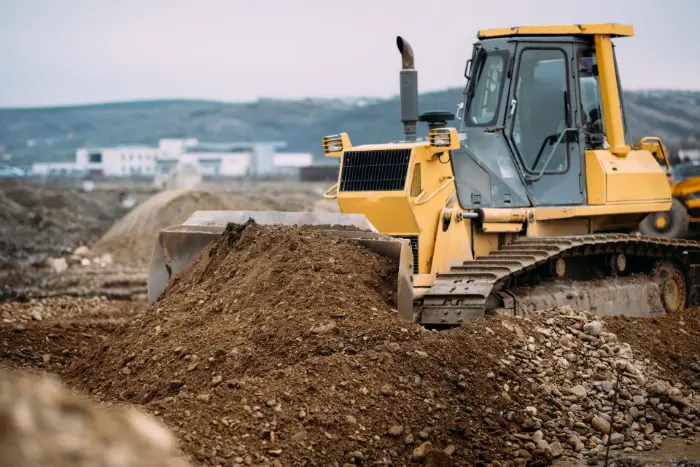
Small Bulldozers
Weight Range: Under 30,000 lbs
These are ideal for smaller construction projects, residential jobs, and areas with limited space. They are agile and lighter, making them easier to maneuver but less powerful than larger models.
Common Small Bulldozer Specs
| Model | Operating Weight | Horsepower | Blade Capacity | Typical Applications |
| Caterpillar D3 | 20,640 lbs | 104 hp | 2.86 yd³ | Residential & light construction |
| CASE 650M | 15,997 lbs | 74 hp | 1.69–2.22 yd³ | Landscaping, small grading |
| John Deere 650K | 21,320–22,343 lbs | 104 hp | 2.6-2.9 yd³ | Utility work, small-scale grading |
Note: Specifications are approximate and can vary based on configurations.
Medium Bulldozers
Weight Range: 30,000–100,000 lbs
These bulldozers are often used in standard construction, roadwork, and landscaping projects. Their moderate weight offers a good balance between power and maneuverability.
Common Small Bulldozer Specs
| Model | Operating Weight | Horsepower | Blade Capacity | Typical Applications |
| Caterpillar D6 | 52,715 lbs | 215 hp | 7.5 yd³ | Road construction, site prep |
| Komatsu D65PX-18 | 48,444-51,960 lbs | 217 hp | 4.8 yd³ | ideal for heavy-duty earthmoving tasks. |
| John Deere 1050K | 94,300-95,000 lbs | 350 hp | 9.4-14.9 yd³ | Large-scale grading, mining |
Note: Specifications are approximate and can vary based on configurations.
Large Bulldozers
Weight Range: Over 100,000 lbs
Designed for heavy-duty tasks, these bulldozers can move large quantities of earth, rock, or debris. They are typically used in mining, large construction projects, and heavy industrial tasks.
Common Small Bulldozer Specs
| Model | Operating Weight | Horsepower | Blade Capacity | Typical Applications |
| Caterpillar 854 | 235,507 lbs | 907 hp | 40-58.6 yd³ | Mining, heavy-duty earthmoving |
| Komatsu D475A-8 | 254,195 lbs | 890 hp | 27.2–34.4 yd³ | Mining, large-scale construction |
| John Deere 1050K | 234,263 lbs | 949 hp | 50.9 yd³ | Mining, heavy construction |
Note: Specifications are approximate and can vary based on configurations.
What Affects the Weight of a Bulldozer?
Bulldozers come in different sizes and types, which means their weight can vary significantly. The main factors that determine how much a bulldozer weighs include:
1. Size and Class of the Bulldozer
Bulldozers are categorized into various classes based on their size and capacity. Small bulldozers, like the D3 series, are typically lighter, while larger bulldozers, like the Cat 854, are much heavier. The class of bulldozer chosen will depend on the type of work needed and the terrain of the construction site.
2. Blade and Attachment Type
The type of blade or other attachments a bulldozer uses can significantly impact its weight. For example, dozers with larger, heavier blades or specialized attachments for different tasks such as grading, pushing, or cutting will naturally weigh more.
3. Materials and Construction
The materials used in the construction of the bulldozer itself also play a role in its overall weight. More durable, reinforced materials can add to the weight, while lighter materials may reduce it, though this often comes at the cost of strength and durability.

How Does Bulldozer Weight Affect Performance?
Weight plays a key role in how a bulldozer performs on a job site. Here’s how bulldozer weight impacts efficiency and safety:
1. Ground Pressure and Soil Compaction
Heavier bulldozers exert more ground pressure, which can help with soil compaction during certain tasks. For instance, a heavier bulldozer might be more efficient at pushing through loose soil or compacting dirt for foundation work. However, too much pressure can lead to damage to softer ground, potentially leading to sinkholes or instability.
2. Maneuverability
While heavier bulldozers are more powerful, they are also harder to maneuver. A lighter bulldozer can be more flexible in tight spaces, but it may not have the muscle for heavy-duty work. It’s essential to find the right balance between power and agility based on your project’s needs.
3. Fuel Efficiency
Larger, heavier bulldozers typically consume more fuel due to their power requirements. If fuel efficiency is a concern, it’s essential to consider the trade-off between bulldozer weight and fuel consumption. This is where advanced systems like the FJD H39 PRO 3D Dozer Control System, can make a difference. By optimizing machine control and performance, operators can reduce waste and maximize efficiency on the job site, while providing centimeter accuracy and maintaining precision on even the challenging terrains.
Conclusion
In conclusion, how much a bulldozer weighs is a critical consideration when planning for your next project. Whether you need a light-duty bulldozer for a small residential job or a heavy-duty machine for a large-scale construction project, understanding bulldozer weight will help you make the best choice for your needs. By considering factors like size, attachments, and performance, you’ll be able to select the right bulldozer to maximize both efficiency and safety on the job.
When choosing bulldozers for your projects, it’s important to leverage advanced technologies that optimize the equipment’s performance. FJDynamics offers the FJD H39 PRO 3D Dozer Control System, providing precise control and maximizing operational efficiency across a wide range of bulldozer models.